
A recent survey conducted by The Louisiana Times recognized Slidell Animal Control as the winner of Voted Best Customer Service for Animal Control in Louisiana 2025. Residents who participated in the survey pointed to fast responses, humane wildlife handling, and respectful communication as reasons behind the recognition. Slidell Animal Control voted best customer service for animal control in Louisiana 2025 reflects years of steady work assisting homeowners with wildlife concerns while keeping safety a priority. The sections below explain the service practices, field experience, and wildlife knowledge that helped Slidell Animal Control earn that statewide distinction.
- Survey recognition conducted by The Louisiana Times
- Community voting focused on customer service quality
- Recognition centered on wildlife removal expertise
Fast Wildlife Response Times
Wildlife situations often appear without warning, which means homeowners need help quickly. Slidell Animal Control gained attention from voters because technicians respond rapidly when wildlife enters attics, yards, or crawlspaces, reducing the time animals remain inside a structure. Quick action matters because the Centers for Disease Control and Prevention reports that rodents alone contaminate surfaces through droppings and urine while searching for food and shelter. Residents appreciated that calls often lead to prompt inspections and clear next steps.
- Rapid scheduling for wildlife inspections
- Emergency assistance when animals enter homes
- Faster response reduces property damage
Humane Wildlife Removal Methods
Humane animal handling played a large role in the recognition received by Slidell Animal Control. Technicians rely on capture and relocation practices that protect both homeowners and wildlife, which aligns with guidance from wildlife agencies that encourage humane control whenever possible. The U.S. Fish and Wildlife Service supports humane wildlife management practices that prevent unnecessary harm to animals while protecting homes and property. Residents responded positively to methods that respect wildlife rather than treating removal as simple pest elimination.
- Live trapping methods used during removal
- Safe relocation practices for captured wildlife
- Reduced harm to animals during capture
Clear Customer Communication
Homeowners facing wildlife problems often feel unsure about what is happening above their ceiling or inside their yard. Slidell Animal Control built a reputation for explaining the situation clearly, describing the animal involved, how it entered the property, and what steps will stop the issue from returning. Honest communication helps homeowners understand risks tied to wildlife activity because agencies like the CDC warn that raccoons, rodents, and bats may spread diseases through droppings or contaminated surfaces. Clear explanations help residents make informed decisions.
- Step by step inspection explanations
- Clear description of wildlife entry points
- Straightforward discussion of removal steps
Skilled Wildlife Removal Technicians
Technical knowledge also played a role in the recognition received by Slidell Animal Control. Technicians work with a wide range of wildlife species including raccoons, squirrels, snakes, armadillos, bats, and rodents, which means every job requires understanding animal behavior and habitat patterns. Field experience helps technicians identify signs quickly such as scratching sounds in attics or damaged roof vents. Skilled identification allows wildlife removal to happen safely while limiting damage to property.
- Training in wildlife identification
- Experience with multiple animal species
- Careful handling during capture
Safe Home Protection Strategies
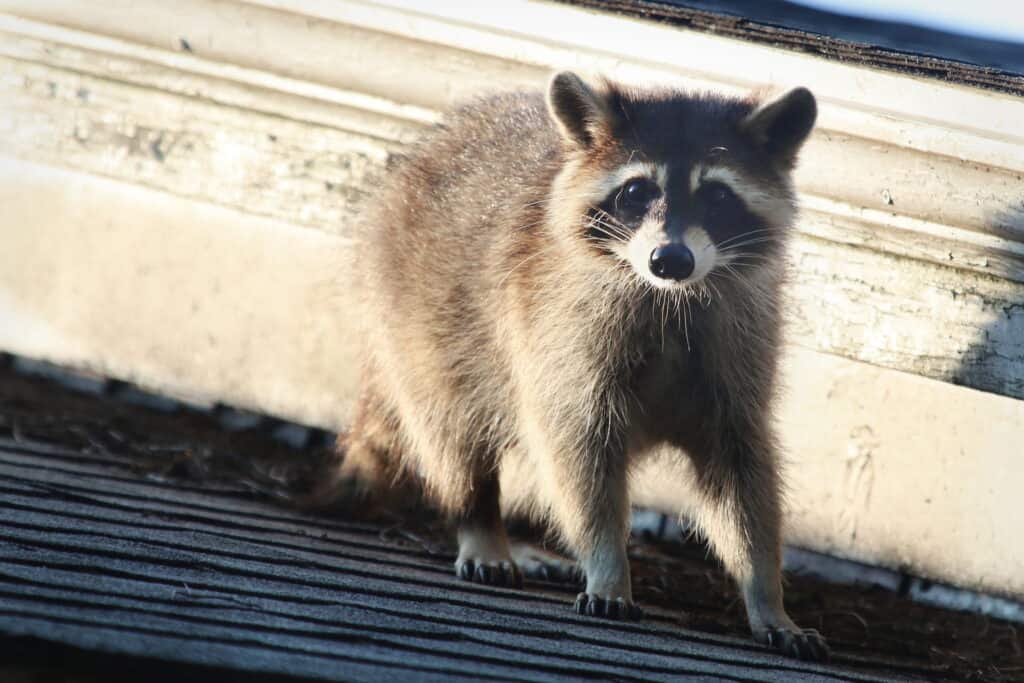
Preventing future wildlife problems remains a major focus for Slidell Animal Control. Removal alone does not solve the issue if animals can easily return through the same opening, so technicians inspect roofs, vents, and crawlspaces to locate entry points. The National Park Service explains that raccoons can climb vertical surfaces and squeeze through small openings while searching for shelter, which makes sealing entry points essential after removal. Homeowners valued the extra attention given to protecting the structure once wildlife is removed.
- Inspection of vents and roof openings
- Identification of damaged entry areas
- Recommendations for long term wildlife prevention
Local Wildlife Knowledge
Regional wildlife patterns change depending on the environment and time of year. Slidell Animal Control technicians rely on field knowledge gained from years of wildlife encounters, which allows them to recognize seasonal activity such as raccoon breeding periods or squirrel nesting cycles. The U.S. Fish and Wildlife Service notes that many species search for attic shelter during colder months when outdoor resources become scarce. Familiarity with those patterns helps technicians anticipate wildlife behavior.
- Knowledge of seasonal wildlife activity
- Experience identifying nesting behavior
- Awareness of migration and breeding cycles
Humane Capture and Relocation Services
Humane relocation practices earned strong support during the survey voting. Slidell Animal Control focuses on removing animals safely and relocating them away from residential areas whenever regulations permit, which prevents harm to both the animal and the homeowner. Wildlife agencies across the United States encourage responsible wildlife control that reduces unnecessary animal suffering. Residents often prefer removal approaches that protect wildlife while restoring safety at home.
- Responsible wildlife relocation practices
- Safe handling procedures during capture
- Removal that protects people and animals
Consistent Positive Reviews
Community feedback played a large role in the statewide recognition. Many residents described smooth experiences when dealing with unexpected wildlife problems because technicians communicated clearly and handled animals carefully. Positive reviews often mentioned respectful service and prompt arrival during stressful situations. Consistent feedback across many homeowners helped build the reputation that led to the survey result.
- Strong homeowner recommendations
- Positive service experiences reported online
- Reputation built through repeat customers
Strong Community Reputation
Community recognition rarely happens overnight. Slidell Animal Control built trust over time by helping residents resolve wildlife issues while explaining how to prevent future problems. Local awareness grew through word of mouth and steady field work across many homes facing wildlife intrusion. Survey voters recognized that long term presence and dependable service shaped the reputation behind the award.
- Word of mouth recommendations from residents
- Long history of wildlife removal work
- Recognition through statewide community survey
What the Recognition Means for Homeowners
Recognition for Slidell Animal Control voted best customer service for animal control in Louisiana 2025 reflects how wildlife removal affects more than just property damage. Wildlife entering homes can create health risks through droppings, contaminated insulation, and structural damage that spreads over time. Early response, humane removal, and clear communication protect homeowners and wildlife at the same time. Professional animal control services help identify animal activity, remove wildlife safely, and prevent repeat intrusions through careful inspections and exclusion work.
Key Takeaways on Slidell Animal Control Voted Best Customer Service for Animal Control in Louisiana 2025
- Slidell Animal Control received statewide recognition through a Louisiana Times survey
- Humane wildlife removal practices helped earn community support
- Rapid response times reduced property damage from wildlife
- Clear communication helped homeowners understand wildlife problems
- Long term reputation strengthened trust among residents
Frequently Asked Questions
Why did Slidell Animal Control receive this recognition?
Survey voters cited customer care, humane wildlife handling, and quick response times as reasons the company earned the recognition.
What animals does Slidell Animal Control remove?
Technicians handle raccoons, squirrels, bats, snakes, armadillos, rodents, and other wildlife that commonly enter homes.
Why is humane wildlife removal important?
Wildlife agencies encourage humane capture and relocation because it protects animals while resolving conflicts with homeowners.
How do wildlife professionals identify animals in attics?
Technicians look for signs such as scratching sounds, droppings, nesting material, and damaged roof vents.
Why should wildlife entry points be sealed after removal?
Sealing entry points prevents animals from returning through the same opening and protects the home from repeat infestations.